The Real Source of Plant Protein in Indian Meals
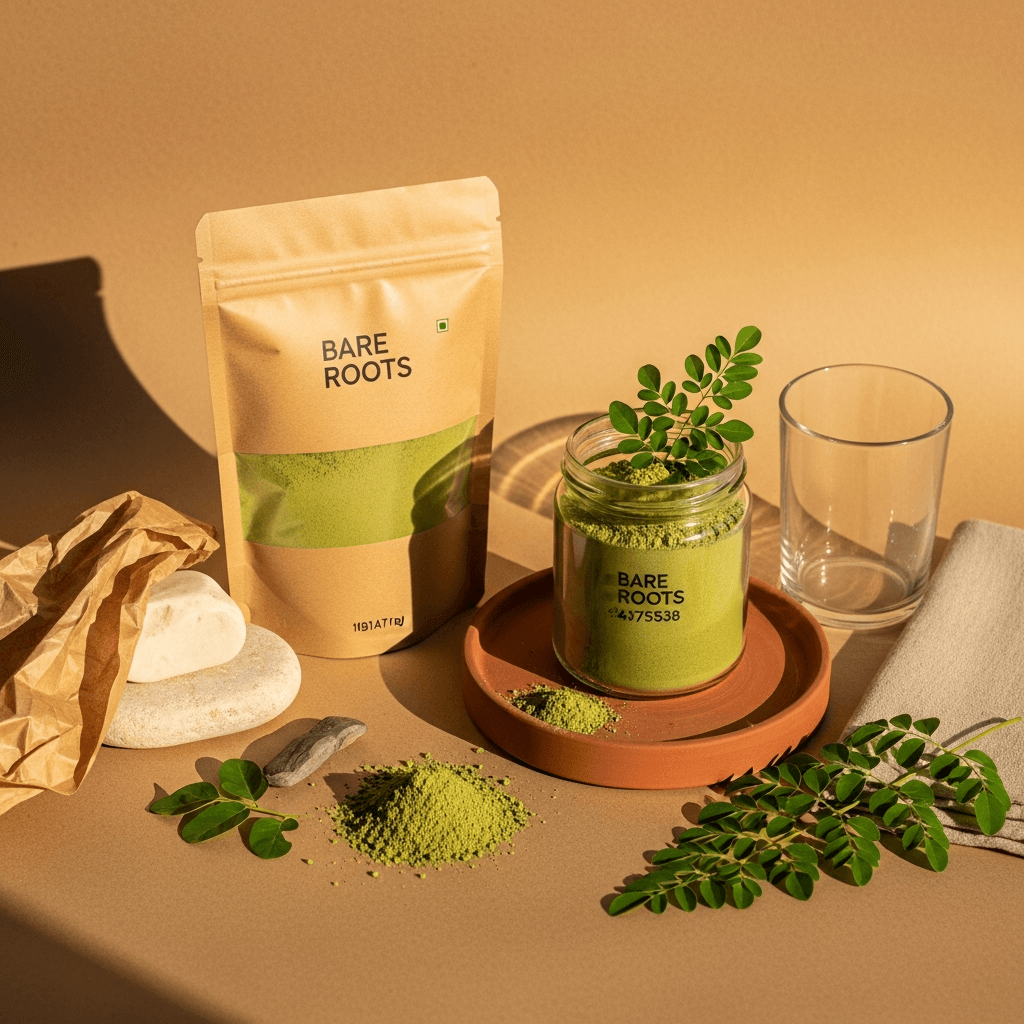
“Protein deficiency” – it’s a phrase that often sparks worry, especially when discussing vegetarian diets. In India, where plant-based eating is deeply woven into the cultural fabric, a common misconception is that getting enough protein is a challenge. But step into any Indian kitchen, and you’ll find a treasure trove of genuinely wholesome, natural protein sources. Our ancestors certainly weren't tracking macros, yet they thrived on meals rich in plant power. The truth is, your everyday Indian diet is likely already packed with robust plant protein, without needing fancy supplements or exotic ingredients. It's all about understanding where to look.
The Mighty Pulse: Dals and Beyond
If there's one cornerstone of plant protein in India, it's pulses. From the ubiquitous moong dal to the hearty rajma, chole, and lobia, these legumes are nutritional powerhouses. They're not just budget-friendly and versatile; they're excellent protein sources, especially when combined with grains throughout the day. Think about the comforting dal-chawal, the filling chole bhature, or a simple rajma curry. These aren't just carb-heavy dishes; they're delivering a significant protein punch, essential fibre, and a host of micronutrients. Every region in India has its favourite dal preparation, making pulses a truly pan-Indian protein hero, proving that good nutrition can be both simple and delicious.
Grains, Nuts, and Seeds: The Supporting Cast
While pulses take the spotlight, many other everyday ingredients contribute significantly to your daily protein intake. Whole grains like ragi, jowar, and bajra aren't just for fibre; they offer a good amount of protein, especially when compared to refined grains. A humble ragi roti or jowar upma adds to your protein count without you even thinking about it.
Then there are nuts and seeds, which often make their way into Indian cooking and snacks. Groundnut chikki, sesame laddoo, a handful of almonds, or a sprinkle of flaxseeds in your chutney – these small additions accumulate. Peanuts, in particular, are an incredibly affordable and protein-dense snack, often found roasted or in various preparations across the country. They show us that protein doesn't always have to come from a main course; it's tucked into our everyday bites.
Green Goodness and Modern Additions
Even your greens are quietly contributing! While not as protein-dense as pulses, leafy greens like spinach (palak), fenugreek (methi), and mustard greens (sarson) contain modest amounts of protein that add up over a day, alongside vital vitamins and minerals. Think of a palak sabzi or a simple methi bhaji – it's more than just fibre.
For those looking to diversify or seeking convenient plant-based options, modern additions like tofu are becoming increasingly popular in Indian kitchens. This versatile ingredient, made from soybeans, readily absorbs flavours and is an excellent source of protein, fitting seamlessly into curries, scrambles, or stir-fries. It’s a testament to how traditional ingredients and newer plant-based options can coexist to create wholesome, protein-rich meals.
Ultimately, the Indian diet, with its emphasis on diverse plant-based ingredients, naturally offers a rich array of proteins. From the everyday dal to seasonal greens and hearty grains, our traditional meals are a testament to balanced nutrition. It's about appreciating the wisdom in our culinary heritage, understanding that genuinely good food, often simple and familiar, provides everything our bodies need. You don't need to overthink it; just eat well, the Indian way.
Nothing added. Nothing hidden.
Single-origin moringa and fresh tofu, with the whole label on the front.
Shop Bare Roots