The Truth About Dried Greens: Why Drying Method Matters
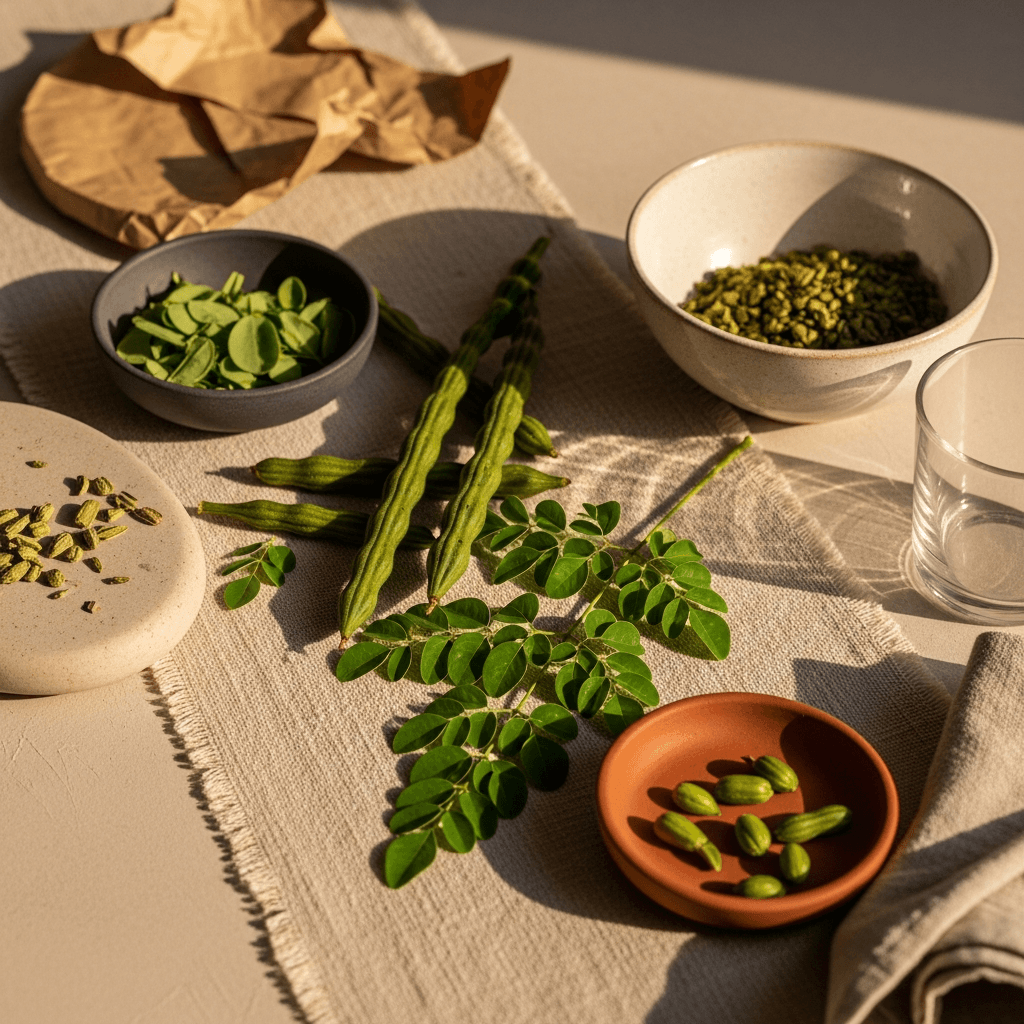
We all appreciate the convenience of dried greens. Think about a sprinkle of kasuri methi in your sabzi, or adding a spoonful of moringa powder to your morning smoothie. They’re a fantastic way to keep nature’s goodness on hand, regardless of the season. But have you ever paused to consider how those greens were dried? It might sound like a small detail, but the method used to remove water from your favourite greens plays a surprisingly big role in what nutrients actually make it into your bowl.
The Balancing Act of Drying
At its heart, drying is about removing water to prevent spoilage and concentrate flavour. But it’s a delicate dance. When greens are exposed to heat, light, and even air for too long, many of their valuable nutrients – like heat-sensitive Vitamin C, certain B vitamins, and delicate antioxidants – can break down. Enzymes, which are good for digestion when fresh, can also continue to degrade other compounds if not properly deactivated. The goal is to get rid of the water without stripping away the good stuff.
How Drying Methods Stack Up
Different methods offer different trade-offs in terms of nutrient preservation, cost, and practicality.
Sun Drying: The Traditional Way
This age-old method, common across India for everything from chillies to leafy greens, relies on the sun's warmth. While economical and simple, direct sunlight can be quite harsh. Prolonged exposure to high temperatures and UV light can significantly reduce heat-sensitive vitamins and vivid colours. Think of how sun-dried spinach might lose its vibrant green. There’s also the risk of dust and contaminants if not done hygienically.
Shade Drying: A Kinder Approach
A slight improvement, shade drying protects greens from direct UV radiation while still allowing air circulation to remove moisture. This method is often preferred for more delicate herbs and spices, as it helps retain more of their colour and some heat-sensitive nutrients compared to direct sun. It's slower, though, and still relies on ambient conditions.
Oven Drying & Dehydration: Controlled Heat
Using an oven or a dedicated food dehydrator offers more control over temperature and airflow. This reduces drying time compared to natural methods and can be more hygienic. However, if the temperature is set too high, you’re essentially cooking the greens, which can still lead to significant nutrient loss, especially for water-soluble vitamins. Lower temperatures over longer periods are generally better for nutrient retention here.
Freeze-Drying: The Gold Standard
Considered the pinnacle of drying technology for nutrient preservation. Freeze-drying involves freezing the greens and then placing them in a vacuum chamber, where the ice turns directly into vapour (sublimation) without ever becoming liquid water. This gentle process avoids high heat, preserves the plant's cell structure, and locks in nearly all of its original nutrients, enzymes, colour, and flavour. It's a more expensive process, which is why freeze-dried products tend to be pricier, but the nutritional payoff is substantial.
Making Smarter Choices for Your Kitchen
Understanding these methods empowers you to look beyond just "dried greens." When you choose products like moringa powder or dried herbs, knowing how they were processed gives you insight into the true nutritional value they offer. Look for brands that are transparent about their drying methods, especially for nutrient-dense superfoods. Opting for methods that minimise heat and light exposure means you're getting more of nature's original goodness, concentrated, not compromised. It’s about ensuring that the convenient goodness you bring home truly lives up to its promise.
Nothing added. Nothing hidden.
Single-origin moringa and fresh tofu, with the whole label on the front.
Shop Bare Roots